Research Article | | Peer-Reviewed

Epidemiological Studies on Sarcocystis in Benue State, Nigeria: Animal Infections, Abattoir Practices, Human Risk Factors and Perceptions of Butchers and Meat Sellers

Received: 1 November 2025     Accepted: 13 November 2025     Published: 24 December 2025
Views:       Downloads:
Abstract

Meat-borne zoonotic diseases are becoming an increasing public health concern as a result of unprecedented interaction between animals and humans and deteriorating sanitation and hygiene around meat processing facilities. This study was designed to investigate the prevalence and morphology of sarcocysts isolates found in various tissues meat animals and investigate practices by butchers and meat sellers that are potential risk for human infection. A total of 75 carcasses of ruminant animals comprised of 15 Cattles, 15 Goats and 45 pigs were sampled from abattoirs in Adikpo, Otukpo and Makurdi. Animal parts were examined macroscopically, for gross pathological lesions. Organs were thoroughly inspected for the presence of Sarcocystis species macrocysts and histologically examined using Haematoxylin and Eosin Technique. Structured questionnaire was designed and administered to investigate butchers and meat sellers’ meat safety-related knowledge and practices. An abattoir checklist was used to evaluate abattoirs based on the presence and functionality meat handling processes and infrastructures. The overall prevalence of sarcocystis was 52.0% with pigs accounting for the highest infection of 73.3% (χ2=4.77 P=0.092). In all the animal tissues sampled, sarcocystis cysts were most predominant in the heart 49.33% and muscles 36.00%. Animals slaughtered in Makurdi and Adikpo abattoirs had higher sarcocystis prevalence though the difference was not statistically significant (P > 0.05). Abattoir slaughter slabs are inadequate with 47.5% of butchers slaughtering and portioning their animals on slabs while 43.1% do same on the floor inside or outside the abattoirs. While 33.5% of butchers self-reported the capacity to identify diseased and infected meat, in contrast 67.5% indicated inability to identify diseased animals or infected portions of meat. There was no significant association between the ability to identify meat- or animal-borne diseases and location (χ2=6.31 P=0.177). Furthermore, 76.3% of respondents have never undergone any formal training in safe meat handling procedures, 85.2% reported that such training is essential to reduce associated risks of contamination (χ²=6.86; p=0.032). A significant 65.7% of respondents merely cut off and discard perceived infected portion of meat while only 1.7% self-reported reported ever discarding whole carcass (χ2=51.52; P=0.000). The study underscores the urgent need for targeted health education, improved abattoir management, and routine veterinary inspections to mitigate public health risks posed by Sarcocystis infection in this region.

Published in Animal and Veterinary Sciences (Volume 13, Issue 6)
DOI 10.11648/j.avs.20251306.15
Page(s) 192-210
Creative Commons

This is an Open Access article, distributed under the terms of the Creative Commons Attribution 4.0 International License (http://creativecommons.org/licenses/by/4.0/), which permits unrestricted use, distribution and reproduction in any medium or format, provided the original work is properly cited.

Copyright

Copyright © The Author(s), 2025. Published by Science Publishing Group

Keywords

Sarcocystis Infection, Abattoir Facilities, Knowledge and Perception, Zoonotic Implications

1. Introduction
Sarcocystis species, a zoonotic parasite, is a protozoon belonging to the phylum Apicomplexa. Members of genus Sarcocystis, displays a two-host life cycle involving a predator and a prey, as definitive and intermediate hosts, respectively . In this case, humans and non-human primates represent the definitive hosts. Parasites undergo sexual reproduction in their gastrointestinal tract, where they form infective oocysts containing sporocysts, which are excreted with feces. These are taken up by domestic or wild animals, the intermediate hosts, when eating contaminated feed or water. Eventually, parasites gain access to striated muscles of the intermediate hosts where they form sarcocysts in which asexual reproduction, followed by development of infective parasitic stages, takes place.
Sarcocystosis in meat significantly diminishes the quality, and a high meat rating renders meat and offal unpalatable to consumers. Sarcocystosis is one of the zoonotic foodborne diseases that affect both humans and animals, in addition to the substantial financial losses that result from the condemnation of carcasses and/or offal in slaughterhouses. Sarcocystis infections in intermediate hosts are frequently asymptomatic, but serious cases have been reported, causing weariness, lack of appetite, diarrhea, weight loss, muscular convulsions, and, in extreme cases, death. Muscle tissue cysts containing bradyzoites distinguish sarcocystosis, a degenerative change in the intermediate host .
Concerns about meat-borne parasites are growing for several reasons, including the increasing consumption of raw and/or lightly cooked foods, which may increase exposure to parasites, and the growing importation of food, some of which comes from countries lacking advanced hygiene standards and testing procedures . In the Europe and North America, extensive epidemiological studies highlighting the zoonotic implications of this parasite have been conducted . Infection of humans with Sarcocystis species may result in different scenarios, from no symptoms to severe clinical cases . Among these, S. suihominis is zoonotic in nature and causes intestinal infections in humans because of consumption of raw or undercooked infected pork. S. suihominis has received more attention in medical communities due to its impact on public health because it affects humans who serve as its definitive host .
In the Europe and North America, extensive epidemiological studies highlighting the zoonotic implications of this parasite have been conducted . However, in Sub-Saharan Africa evidence-based data on Sarcocystis species infection is rather scanty. Recent studies in Nigeria have confirmed infection of beef and pork with sarcocystis. Microcysts of Sarcocystis species have been found by means of histological procedures in different kinds of meats ready for consumption, sampled in abattoirs .
Meat is the primary source of animal protein for a variety of consumers, leading to a global increase in the demand for red meat consumption . As a result, abattoirs play a crucial role in managing and controlling various zoonotic infections, including Sarcocystis, a parasite responsible for foodborne illnesses that humans can contract by consuming undercooked or raw meat . The proliferation of roadside abattoirs where pigs, goats and cattle raised by smallholder farmers who are resource-constrained are slaughtered without inspection has increased risk. The risk of sarcocystis infection in Nigeria and other resource-poor countries has continued to increase with unprecedent;ed increase in urban livestock farming , deteriorating abattoir and meat handling practices and open grazing of livestock. These conditions are exacerbated with poor knowledge, attitude unhygienic conditions in which meat is processed and sold .
The economic significance of Sarcocystis infection in ruminants and its threat to human health via consumption of infected raw and undercooked meat highlights the importance of research on Sarcocystis. This study seeks to provide evidence-based data on the current status of sarcocystis infection in meat animals in Benue State, the study was designed to determine the morphology (both grossly and histologically) of sarcocysts isolates found in various tissues and investigate practices by meat sellers that could support human infection with the intent to develop convincing health education strategies to promote safer meat processing and consumption practices. Investigating Sarcocystis prevalence alongside butchers’ knowledge and perceptions is essential to identify potential zoonotic risks and behavioral gaps that influence meat safety and public health.
2. Material and Methods
2.1. Study Area
This cross-sectional study was conducted in Makurdi, Otukpo and Kwande LGAs representing the three geo-political zones of Benue State in the North-Central area of Nigeria. It is geographically located at latitude 7.74º North and longitude 8.51º East and has 104 m elevation above sea level. The mean monthly rainfall ranges from 150 mm to 180 mm, and the mean monthly temperature ranges from 27 ºC to 38 ºC. The state has the Benue River running through it. Inhabitants are mostly civil servants and farmers who consume and domesticate goats, pigs and cattle for commercial purpose. Samples were collected for four months from the main abattoirs at all location concurrently. The abattoirs are located in North bank, Wurukum, Wadata and Modern Market in Makurdi LGA (Zone B); Eupi (goat market) and Ole-ena (cattle market) in Otukpo LGA (Zone C) and Adikpo, Kwande LGA (Zone A). The slaughtered animals were raised through open grazing animal husbandry system from within the State and neighboring States, towns, and villages for slaughter. The chosen abattoirs were the central slaughterhouses selected for their high annual animal handling and strategic geographic locations for the cattle and goats. These key abattoirs provided a thorough understanding of the prevalence of sarcocystosis in Benue State because they receive and slaughter animals from different places.
2.2. Study Animals
A total of 75 carcasses of ruminant animals comprised of 15 Cattles, 15 Goats and 45 pigs were sampled from abattoirs and slaughter houses in Adikpo, Otukpo and Makurdi Areas of Benue State. These locations were chosen because they serve as major hubs for sale and purchase of meat by consumers in those locations. Irrespective of age, breed and sexes, a tissue sample each was collected from the tongue, skeletal muscle, heart and esophagus of the animals, following standard sampling techniques. These samples were individually placed in appropriately labelled Ziploc bags and taken to the zoological laboratory of Moses Orshio Adasu University, Makurdi, Benue State, Nigeria for sorting and further analysis. A total of 300 animal tissues were used for the study.
2.3. Collection and Preservation of Tissues
Tissues comprising of tongue, esophagus, heart, and skeletal muscles were examined grossly before collection. Following aseptic laboratory techniques as carried out by , about 10 g each of tissue from the slaughtered animals were placed in separate, labeled, mini zip-lock bags and taken to the Zoology laboratory in Benue State University and immediately fixed with 10% formalin for histological examination.
2.4. Macroscopic Examination
Animal parts under consideration were examined macroscopically, for gross pathological lesions. Organs were thoroughly inspected for the presence of Sarcocystis species macrocysts. A handheld microscope was used to magnify animal parts for detailed view in the laboratory .
2.5. Histological and Microscopic Investigation
Histological methods as described by were adopted for the study. A tiny piece of each tissue was be placed in ascending grades of alcohol for dehydration as follows: Each tissue was placed in 2 changes of 70% methanol for 2 hours, in 2 changes of 95% methanol for 2 hours each. This was followed by 2 changes of 100% methanol for additional 2 hours. Each tissue was cleared using xylene in 2 changes of xylene for 1 hour and infiltrated with molten paraffin wax, 2 changes for 2 hours each. Tissues were then embedded in molten paraffin wax using plastic embedding cassette and sectioned or cut in 5 microns (5µ) thickness using a microtome. Sections were dried on a slide dryer and stained using Haematoxylin and Eosin Technique (H&ET).
2.6. Haematoxylin and Eosin Staining Technique
Sections were dewaxed using xylene, 2 changes of 3 min each, by passing through 100%, 90%, and 70% methanol for 1 min each, after which they were washed in water. Sections were then stained in enriched haematoxylin for 10 min and washed in water, followed by differentiating using 1% acid methanol for 1 min and again washed in water. This was followed by Bluing (the process of bluing is to convert the soluble red component of haematoxylin into an insoluble blue). It is a pH dependent reaction occurring in an alkaline solution. As haematoxylin is responsible for nuclear staining. The nucleus was therefore stained blue or blue-purple in scott tap water for 2 minutes, washed in water and allowed to dry. The samples were dehydrated using ascending grades of methanol from 70% to 90% and 100% for 1 min each. These were cleared in xylene, mounted with a cover slip using Dibutylphthalate Polystyrene Xylene (D. P. X) and viewed under a microscope, using an Amscope trinocular light microscope under various magnifications (×100, ×200 and ×400). Nuclei were stained blue and cytoplasm and other structures pink or red under these conditions .
2.7. Questionnaire Administration
A structured questionnaire was designed to collect data during interviews. The questionnaire was drafted in English and pre-tested within a sample with similar demographic characteristics to evaluate its content and wording. The final questionnaire contained four sections. In the first section contained socio-demographic information such as age, sex, education, years of experience in meat business. The second section investigated knowledge of sarcocystis and other possible parasitic zoonotic infections from poor handling of meat. The remaining sections explored the general awareness of butchers and meat sellers about relationship between meat handling and sarcocystis infection and other issues in meat-borne parasite identification, control and mitigation of carcass condemnation. The final section of the questionnaire dwelt on training needs assessment and compliance to standard practices and perception about domestic animals like dogs and cats having access to garbage and offal around the vicinity of abattoirs.
2.8. Ethical Approval and Consent to Participate
This study was approved by the Research and Ethics Committee of the Benue State University (approval number CREC/RS/0011), in accordance with country regulations. Informed consent was obtained verbally before participation. Participants were anonymized and personal information was stored according to Nigerian regulations.
2.9. Abattoir Inspection
A comprehensive abattoir checklist was developed following . The checklist contained essential abattoir requirements to ensure meat safety and protection of workers. Each abattoir was then evaluated based on the presence and functionality of the equipment, meat handling and processing infrastructures and the surrounding environment.
2.10. Statistical Analysis
The overall prevalence of Sarcocystis species was calculated and presented in percentages. Statistical evaluation was undertaken to compare obtained data. Probability values of P<0.05 were regarded as statistically significant. Data was analyzed using GraphPadInStat (GraphPadSoftware, San Diego, CA) version 3.01. Also, the data collected from the questionnaire survey was analyzed using Analysis of Variance to check differences between the variables as well as to test the level of significance and correlation to determine the relationship between variables. Survey data were entered by one of the investigators onto a Microsoft Excel (Microsoft Inc., Redmond, WA) spreadsheet and checked by another investigator. The data were then transferred to SPSS software (ver. 22.0, IBM, USA) for further analysis. Numerical, and categorical data were presented as mean and standard deviation (SD), and number and/or percentages, respectively. The potential total score range for knowledge, attitudes and practices were between−10 and 10, −6, and 6, and 0 and 40, respectively. Spearman's rank correlation was used to determine the relationships of total knowledge, attitudes and practices scores with each other.
3. Results
Of the 75 animals sampled, Pigs 73.33% were the most infected, followed by cattle 33.33% and Goats 6.67% being the least. This brings the overall prevalence of Sarcocystis species in the study area to 52.00% (χ2=4.77 P=0.092), (Table 1). In terms of infection of tissues and organs, the hearts were the most infected with 49.33%. Infection rates in other tissues were muscle 36.00%, tongue 13.33% and esophagus 9.33% (Table 1). Of the total number of cattle examined at all locations, 33.3% were infected with Adikpo having the highest infection rate 60.00% (P > 0.05). The infection rates in tissues examined from cattle show the heart as most infected with 40.00%, followed by the tongue and muscle 13.33% (Table 2). Sarcocystis infection in goats was the least at all locations with 6.67% (Table 3). Pigs accounted for the highest infection with 73.33% infection rate and the heart of pigs had 66.67% infection, these was significantly higher compared with other animals ((χ2= 38.62, P= < 0.001) (Table 4).
Table 1. Overall Prevalence of Sarcocystis species in Animals in Benue State.

Animals sampled

Location

No. Examined

No. Positive (%)

χ2

P-value

Cattle

Adipko

5

3 (60.00)

4.20

0.122

Otukpo

5

0 (0.00)

Makurdi

5

2 (40.00)

Goat

Adipko

5

0 (0.00)

2.14

0.343

Otukpo

5

1 (20.00)

Makurdi

5

0 (0.00)

Pig

Adipko

15

14 (93.33)

4.77

0.092

Otukpo

15

9 (60.00)

Makurdi

15

10 (66.67)

Tissues

Tongue

75

10 (13.33)

41.05

<0.001

Muscle

75

27 (36.00)

Heart

75

37 (49.33)

Esophagus

75

7 (9.33)

Table 2. Prevalence of Sarcocystis species in Cattle in Benue State.

Cattle

No. Examined

No. Positive (%)

χ2

P-value

Location

Adipko

5

3 (60.00)

4.20

0.122

Otukpo

5

0 (0.00)

Makurdi

5

2 (40.00)

Tissues

Tongue

15

2 (13.33)

9.12

0.028

Muscle

15

2 (13.33)

Heart

15

6 (40.00)

Esophagus

15

0 (0.00)

Table 3. Prevalence of Sarcocystis species in Goats in Benue State.

Goat

No. Examined

No. Positive (%)

χ2

P-value

Location

Adipko

5

0 (0.00)

2.14

0.343

Otukpo

5

1 (20.00)

Makurdi

5

0 (0.00)

Tissues

Tongue

15

0 (0.00)

3.05

0.384

Muscle

15

0 (0.00)

Heart

15

1 (6.67)

Esophagus

15

0 (0.00)

Table 4. Prevalence of Sarcocystis species in Pigs in Benue State.

Pig

No. Examined

No. Positive (%)

χ2

P-value

Location

Adipko

15

14 (93.33)

4.77

0.092

Otukpo

15

9 (60.00)

Makurdi

15

10 (66.67)

Tissues

Tongue

45

8 (17.77)

38.62

<0.001

Muscle

45

25 (55.56)

Heart

45

30 (66.67)

Esophagus

45

7 (15.56)

3.1. Abattoir Infrastructures and Functionality
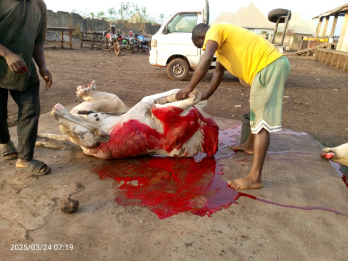
All the abattoirs in the study locations lacked basic amenities for safe meat handling (Table 5). They had slaughter slabs, however either the slabs have been completely abandoned or have become inadequate considering the number of animals slaughtered in the facilities. While 47.5% of butchers said they slaughter and portion their animals on slabs, 43.1% do same on the floor inside or outside the abattoirs, direct observation however revealed that at all abattoirs animals are slaughtered and portioned on bare floor (Figures 1-7). There are veterinary officers attached to the abattoirs but comprehensive antemortem and postmortem clinical assessment investigation were not regularly performed on the slaughtered animals.
Figure 1. Cow slaughtered on bare floor in Otukpo abattoir, Benue State, Nigeria.
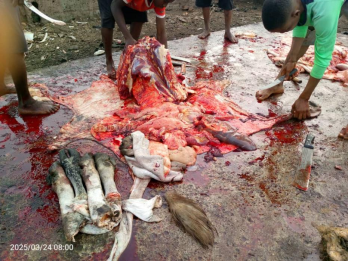
Figure 2. Cow slaughtered and portioned on bare floor in Otukpo abattoir, Benue State, Nigeria.
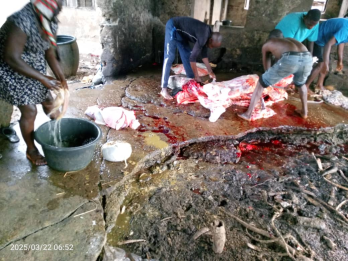
Figure 3. Cow portioned on bare floor in Adikpo abattoir, Benue State, Nigeria.
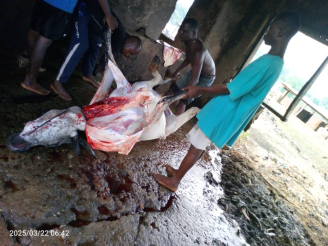
Figure 4. Cow slaughtered on bare floor in Adikpo abattoir, Benue State, Nigeria.
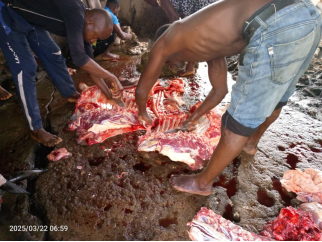
Figure 5. Cow being portioned on bare floor in Adikpo abattoir, Benue State, Nigeria.
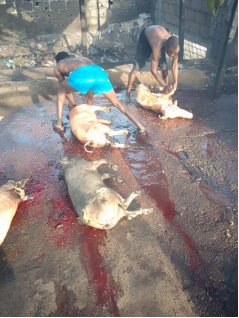
Figure 6. Pigs slaughtered on bare floor in Makurdi abattoir, Benue State, Nigeria.
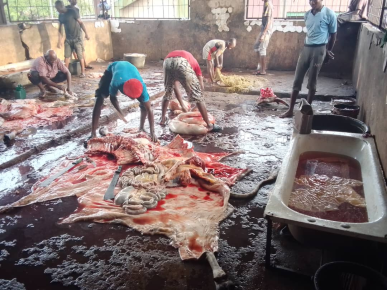
Figure 7. Cow being portioned on bare floor in Makurdi abattoir, Benue State, Nigeria
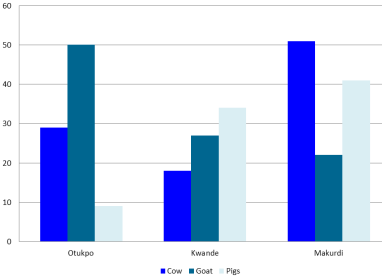
The age distribution of respondent shows that they were matured adults with majority of the participants 71 (39.2%) within the age bracket of 41–50 years. More than half, 93 (51.4%), had attained basic school education. For experience in the meat industry, the largest group of respondents, 64 (35.4%), had between 4–6 years of experience, followed closely by 59 (32.6%) who had 1–3 years of experience. 42 (23.2%) had been in their roles for 7–10 years. Fewer respondents reported longer durations: 8 (4.4%) had 11–13 years of experience, 4 (2.2%) had 14–17 years, 3 (1.7%) had 17–20 years and 1 (0.6%) had more than 20 years of experience. Cows constitute the most frequently slaughtered livestock in Makurdi and Otukpo abattoirs followed by goats (Figure 8). Pigs were often slaughtered in private or road-side abattoirs but sold in close proximity with beef in the adjourning markets. There was a significant association between the types of animals slaughtered in the three locations (P< 0.05).
Table 5. condition and evaluation of abattoir facilities in Makurdi, Otukpo and Adikpo from January- June, 2025.

Abattoir Facilities/ Personnel/Practices

Adikpo

Otukpo

Wadata

(Makurdi)

Wurukum

(Makurdi)

North Bank

(Makurdi)

Status

Status

Status

Status

Status

Premises fenced to restrict access

A

A

A

A

A

Availability of running water

A

A

A

A

A

Cold room/ meat storage facility

A

A

A

A

A

First aid clinic

A

A

A

A

A

Usage of Protective clothing and boots

A

A

A

A

A

Bathroom and toilets

A

A

A

A

A

Public electricity supply

A

PFN

P

PFN

P

Effective drainage system

A

A

A

A

A

Effective waste disposal facility

A

A

A

A

A

Slaughter slabs

PNU

PNU

PNU

PNU

P

Domestic animal roaming the premises

P

P

P

P

P

Welfare and practices

Humane handling during stunning/slaughtering

A

A

A

A

A

Hygienic portioning procedures

A

A

A

A

A

Hygienic Handling of packing

A

A

A

A

A

Veterinary personnel

Veterinary officer

P

A

P

P

P

Veterinary laboratory

A

A

A

A

A

Effective pre and post slaughter examination

A

A

A

A

A

A = ABSENT. P = PRESENT. PNU = PRESENT BUT NOT USED.
Majority of the respondents, 82 (45.3%), indicated that the animals they slaughter and sell are sourced from the northern part of the Nigeria. This was followed by 60 (33.1%) who reported that their animals are obtained from local animal herders within Benue State (Table 6). Statistical analysis showed a significant association between the major sources of animals and location (χ² = 18.27; P = 0.019). Though 91.7% of cows are slaughtered in the abattoirs, 28.7% and 73.3% of goats and pigs respectively are slaughtered in private or road-side meat shops.
Figure 8. Mean number of animals slaughtered in abattoirs at study locations from January-June 2025.
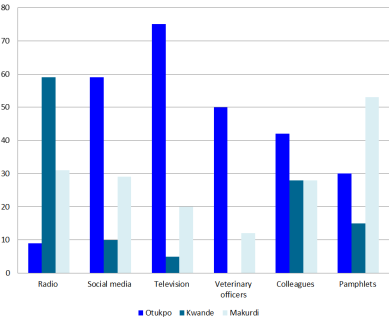
Table 6. Major Sources of Animals Slaughtered or Sold by Respondents in Benue State.

Study Locations

Total

Major Sources of Animals

Otukpo (%)

Kwande (%)

Makurdi (%)

From the North

29(35.4)

31(37.8)

22(26.8)

82 (45.3)

From herdsmen in Benue State

2(15.4)

6(46.2)

5(38.5)

13 (7.2)

From herdsmen in neighbouring states

1(5.0)

6(30.0)

13(65.0)

20 (11.0)

From local animal breeders within the state

26(43.3)

17(28.3)

17(28.3)

60 (33.1)

Don’t know

3(50.0)

2(33.3)

1(16.7)

6 (33.1)

Total

61(33.7)

62(34.3)

58(32.0)

181 (100.0)

χ2=18.27; P=0.019
3.2. Knowledge, Perception and Practices of Butchers and Meat Sellers
The outcome of investigation of knowledge and perception of respondents are summarized in Table 7. Majority of the respondents, 149 (82.3%), believe that washing hands does indeed reduce the risk of meat contamination, indicating a strong awareness of basic hygiene practices among the participants. statistical analysis showed no significant association between perception of handwashing and location (χ2=7.783; P=0.100). The data reveals that a significant majority, 132 (72.9%), affirm that wearing a clean uniform positively contributes to improving meat hygiene, there was a significant association between perception of wearing clean uniforms and location (χ2=13.763; P=0.008). While 73 respondents, representing 40.3%, indicated that they are aware of diseases that can result from eating contaminated meat, 87 (48.1%) said they are not aware of any such diseases and 11.6%, were not sure about the potential health risks associated with consuming contaminated meat. Otukpo recorded the highest proportion of those who were not aware (47.1%) and Makurdi recorded the highest proportion of those who were not sure (42.9%) of any disease gotten from eating contaminated disease (χ2=17.52; P=0.002).
The ability of butchers and meat sellers to visually identify diseased slaughtered animals or portions of meat during slaughtering or sale is critical for protecting public health, while 115 (63.5%), affirmed that they are capable of identifying such diseases. In contrast, 61 (33.7%), indicated that they cannot identify symptoms of diseases. There was no significant difference in the ability to identify symptoms of diseases at the three locations (χ2=6.31 P=0.177). The role of veterinary officers and pre or post-mortem inspection in abattoirs cannot be overemphasized, 63 (34.8%) of the respondents reported that veterinary officers do inspect animals before they are slaughtered in the abattoir, while 61 (33.7%) stated that animals are not inspected by veterinary officers prior to slaughter or sale. The chi-square test (χ²=22.29, p=0.000) shows a statistically significant association between LGA and inspection of animals before slaughter. Knowledge of sarcocystis amongst respondents was moderate, 79 (43.6%) of the respondents indicated that they are aware of Sarcocystis, while a higher percentage, 102 (56.4%), reported that they are not aware of the disease. Knowledge about sarcocystis was higher in Makurdi compared to Otukpo and Adikpo (χ² = 22.41, p = 0.000). Similarly, 134 (74.0%) of the respondents indicated that they were not aware Faciola hepatica.
Majority of the respondents 84 (46.4%) were uncertain in linking open grazing with possible zoonotic consequences (χ2=47.70; P=0.000), furthermore 81 individuals (44.8%) were not sure if raising animal within residential compound could lead to human infection (χ2=27.09; P=0.000). There a near-even split in opinion among the participants, with 89 respondents (49.2%) acknowledging that meat handlers can indeed contaminate meat during slaughtering or selling processes. However, a slightly higher proportion, 92 respondents (50.8%), disagreed, believing that contamination by meat handlers is unlikely or does not occur (P > 0.445).
Table 7. perception and practices of butchers and meat sellers in relation to sarcocystis and public health implications of meat handling.

Questions

Otukpo (%)

Kwande (%)

Makurdi (%)

Total (%)

Washing hands reduces risk of meat contamination

Yes

46(30.9)

50(33.6)

53(35.6)

149 (45.3)

No

6(37.5)

8(50.0)

2(12.5)

16 (8.8)

Not sure

9(56.3)

4(25.0)

3(18.8)

16 (8.8)

Wearing clean cloths when handling meat ensures meat safety

Yes

43(32.6)

46(34.8)

32.6)

132 (72.9)

No

12(46.2)

12(45.2)

2(7.70)

26 (14.4)

Not sure

6(26.10)

4(17.40)

13(56.5)

23 (12.7)

Aware of any disease gotten from eating contaminated disease

Yes

13(17.8)

30(41.1)

30(41.1)

73 (40.3)

No

41(47.1)

27(31.0)

19(21.8)

87 (48.1)

Not sure

7(33.3)

5(23.8)

9(42.9)

21 (11.6)

Ability to identify signs of diseases on slaughtered animals or during meat sale

Yes

41(35.7)

35(30.4)

39(33.9)

115 (63.5)

No

17(27.9)

27(44.3)

17(27.9)

61 (33.7)

Not sure

3(60.0)

0(0.00)

2(40.00)

5 (2.8)

Veterinary officers inspect animals before and after slaughtered in the abattoir

Yes

19

21

23

63 (34.8)

No

28

17

12

57 (31.4)

Not always

10

14

19

61(33.7)

Do you know anything or ever heard anything about sarcocystis?

Yes

13

16

21

50

No

46

37

19

102

Not sure

2

9

18

29

Do you know anything or ever heard anything about fasciola hepatica?

Yes

7

12

29

48

No

49

45

20

114

Not sure

5

5

9

19

Do you think open grazing of animals can lead to transfer of animal disease to humans?

Yes

2(4.4)

21(46.7)

22(48.9)

45(24.9)

No

34(65.4)

4(7.7)

14(26.9)

52(28.7)

Not sure

25(29.8)

37(44.0)

22(26.2)

84(46.4)

Do you think raising animals in the same residential compound with humans can lead to transmission of diseases from animals to humans?

Yes

4(10.0)

17(42.5)

19(47.5)

40(22.1)

No

31(51.7)

9(15.0)

20(33.3)

60(33.1)

Not sure

26(32.1)

36(44.4)

19(23.5)

81(44.8)

Do you think that it is possible for meat handlers to contaminate the meat they slaughter or sell?

Yes

30(33.7)

27(30.3)

32(36.0)

89(49.2)

No

31(33.7)

35(38.0)

26(28.3)

92(50.8)

3.3. Training and Professional Certification Needs Perception
The distribution of respondents based on whether they have received any form of education on the risks associated with slaughtering, selling, or consuming infected animals, 103 (56.9%) of the respondents indicated that they had not received such education or awareness, while 78 (43.1%) of the respondents reported that they had received (χ²=6.86; p=0.032) (Table 8). The vaccination status of respondents as a result of their involvement in handling meat shows that 130 (71.8%) of the respondents indicated that they had not been vaccinated against any disease while 51 (28.2%) reported that they had received vaccination. There were no significant differences in vaccination status among the LGAs (χ2=2.83; P=0.243, P>0.05). The lack of formal training was most prevalent in Kwande (66.7%) compared to Otukpo (19.6%) and Makurdi (13.7%). There was a statistically significant association between LGA and receipt of formal training on meat handling (χ2=33.99; P=0.000, P<0.05). Majority of the respondents 158 (87.3%) affirmed that people working in the meat industry should be trained on appropriate meat processing and handling techniques, while 23 (12.7%) said such training was not necessary (P>0.05). This was further strengthened by 86 (47.5%) of the respondents agreed that meat handlers should be given a medical certificate before engaging in such activities, while 33 (18.2%) opposed the idea. Furthermore, 62 (34.3%) of the respondents believed that obtaining a medical certificate is not necessary (χ2=34.67; P=0.00).
The preferred channels of communication for reaching individuals involved in the meat handling business as listed and ranked by respondents showed that, 88 (48.6%), identified radio as the most effective and fast communication channel. This was followed by 47 (26.0%) who preferred social media platforms. Additionally, 20 (11.0%) of the respondents indicated television, 13 (7.2%) cited pamphlets, while 7 (3.9%) mentioned colleagues, and 6 (3.3%) identified veterinary officers as their preferred communication channel. Statistical analysis showed that there is a significant association between effective and fast channels of communication to reach people and the location (χ2=71.46; P=0.000, P<0.05). (Figure 9).
Figure 9. Preferred source of information and education channels by butchers and meat sellers.
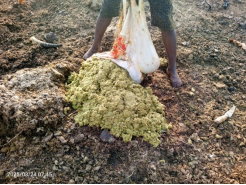
Table 8. Perception of butchers and meat sellers on the need for professional training, certification and sources of information.

Questions

Otukpo (%)

Kwande (%)

Makurdi (%)

Total (%)

Have you ever received any training on the risks associated with killing, selling and consuming animal infected with disease?

Yes

22(28.2)

35(44.9)

21(26.9)

78 (43.1)

No

39(37.9)

27(26.2)

37(35.9)

103 (56.9)

Have you ever been vaccinated against any disease because you handle and sell meat?

Yes

22(43.1)

15(29.4)

14(27.5)

51 (28.2)

No

39(30.0)

47(36.2)

44(33.8)

130 (71.8)

Did you receive any formal training on meat handling before commencing work in the meat industry?

Yes

10(19.6)

34(66.7)

7(13.7)

51 (28.2)

No

51(39.2)

28(21.5)

51(39.2)

130 (71.8)

Do you think that there is a need for formal training on meat handling techniques and processes for people in the meat industry?

Yes

50(31.6)

53(33.5)

55(34.8)

158(87.3)

No

11(47.8)

9(39.1)

3(13.0)

23(12.7)

Do you think meat handlers require regular medical certificate of fitness before slaughtering and selling meat?

Yes

14(16.3)

42(48.8)

30(34.9)

86 (47.5)

No

23(69.7)

4(12.1)

6(18.2)

33 (18.2)

Not necessary

24(38.7)

16(25.8)

22(35.5)

62 (34.2)

3.4. Disposal of Animal Waste and Infected Parts of Animal
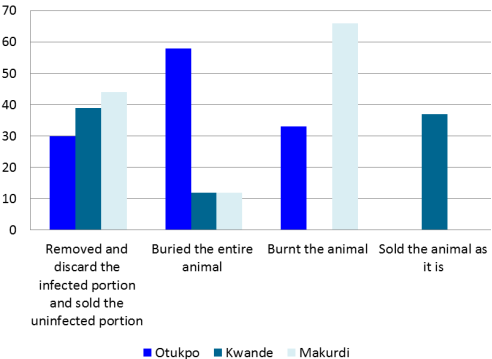
The disposition of infected animals following the identification of disease signs by meat handlers is crucial for public safety, 119 (65.7%) of the respondents removed and discard the infected portion of the animal while selling the uninfected portion, 41 (22.7%) buried the entire animal, 3 (1.7%) burnt the animal, while 18 (9.9%) sold the animal as it was without taking any remedial action. Statistical analysis showed a significant association between the methods of disposing infected animals and location (χ2=51.52; P=0.000) (Figures 10-13). The methods of disposal of animal waste in the abattoir showed, 75 (41.4%) of the respondents reported that animal waste is washed into the drainage, while 48 (26.5%) indicated that the waste is burned. Additionally, 36 (19.9%) of the respondents disposed of the waste by burying it, and 22 (12.2%) converted the waste into manure (Figures 15). Washing into the drainage was most common in Makurdi (49.3%), burning in Kwande (41.7%), burying in Otukpo (55.6%), and manure conversion also in Otukpo (81.8%). The chi-square test (χ² = 53.56, p = 0.000) indicates a statistically significant association between LGA of residence and the method of animal waste disposal (Figure 14).
Figure 10. Dumping stomach content of cow on open refuse dump in Otukpo, Benue State, Nigeria.

Figure 11. Carcasses of animals washed directly into the river at Makurdi, Benue State, Nigeria.

Figure 12. Carcasses of animals washed directly into the River Benue at Makurdi, Benue State, Nigeria.
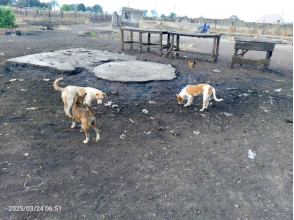
Figure 13. Dogs scavenging within premises of abattoir in Otukpo.
The presence of other animals around the abattoirs is significant to the transmission cycle of sarcocystis, from the results, 96 (53.0%) of the respondents reported that dogs hang around the abattoir to consume discarded meat, while 40 (22.1%) identified vultures. Additionally, 21 (11.6%) each reported pigs and cats, and 3 (1.7%) mentioned rats as animals consuming the meat thrown away. Dogs were most commonly reported in Otukpo (43.8%), pigs, vultures, and cats in Makurdi (47.6%, 47.5%, and 47.6% respectively), while rats were reported only in Makurdi (100.0%). The chi-square test (χ² = 29.81, p = 0.000) shows a statistically significant association between LGA and the type of animals found consuming discarded meat (Figure 16).
Figure 14. Mode of handling infected portions of animals slaughtered in the abattoirs.
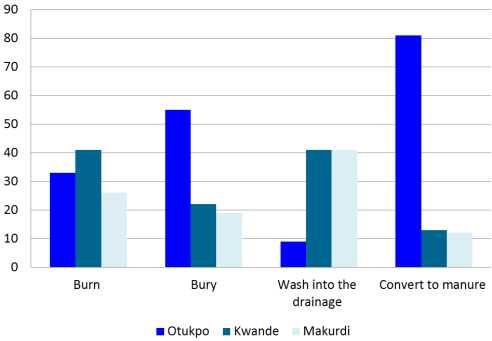
Figure 15. Methods of animal waste disposal practice in the abattoirs.
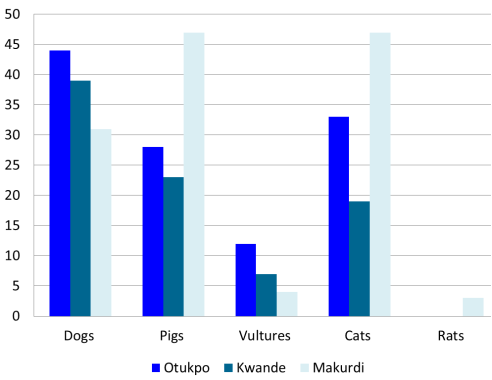
Figure 16. Other animals roaming within the abattoirs.

4. Discussion
The overall prevalence of Sarcocystis species infection observed in this study was 52.0%, indicating a significant potential risk to consumer food safety. Although the number of animals sampled was smaller than in previous investigations in the same area , this current prevalence is considerably higher than the 37.5% and 23.80% reported earlier. This increasing prevalence of sarcocystis in Benue State Nigeria can be attributed to deteriorating sanitation and hygiene around meat processing facilities, intense animal-human contact and open grazing of livestock . Studies in Tunisia and China have reported similar high prevalence of sarcocystis while much lower prevalence rates, ranging between 4.65% and 13.2%, have been reported in Iraq , Egypt , and Iran . Extremely high prevalence levels are not uncommon in other parts of the world with prevalence rates of above 80. 0% reported in countries like Egypt , Lithuania , Algeria , Iran , Iraq and Italy . The variations in prevalence may be linked to differences in histological techniques, the sources of slaughtered animals, the specific tissues examined, as well as environmental conditions that favor parasite transmission in different locations . According to and , infection rates are strongly influenced by both the sampling sites and the diagnostic methods employed.
The heart tissue emerged as the most susceptible site for Sarcocystis species infection among the animals examined. This corroborates earlier studies by , who also reported higher parasite loads in the heart compared to the diaphragm. Beyond the heart, several other ruminant tissues have been identified as favorable sites for Sarcocystis infection, including the esophagus , diaphragm and skeletal muscles . In terms of sarcocystis predilection sites, this study examined more tissues than other previous investigations, this broad coverage is necessary for drawing conclusion about parasite preference to tissues.
The higher infection of pigs observed in this study is consistent with earlier reports by from the same State in Nigeria. There is an increasing intense interaction between pigs, dogs and humans in Nigeria as a result of urbanization, livestock farming and deteriorating sanitation . Furthermore, pigs are neither slaughtered in the mainstream abattoirs nor subjected to pre and post slaughter inspection thereby increasing the risk of human transmission.
4.1. Implications of Poor Abattoir Practices
Inadequate abattoir practices and poor sanitation can facilitate the persistence and spread of Sarcocystis with serious public health risks and economic implications. Abattoirs serve as critical points where livestock are slaughtered and processed for human consumption. The design and operation of these facilities significantly influence the risk of parasitic transmission. The outcome of this study demonstrated sarcocystis infection in some animals slaughtered for consumption in Benue State and established that the conditions in abattoirs increases the possibility of transmission to humans. Earlier Studies have shown varying prevalence rates of Sarcocystis infections in slaughtered animals, often linked to abattoir conditions. in El-Kharga, Egypt, reported the prevalence of Sarcocystis macrocysts in bovine carcasses was found to be 7.5%, with higher infection rates observed in older animals due to prolonged exposure to the parasite and another study in Zakho City, Iraq, reported an 18.03% infection rate in ruminants, with local breeds exhibiting higher susceptibility, possibly due to environmental and management factors . These variations underscore the role of abattoir facilities in influencing infection rates. Factors such as animal handling, hygiene practices, and the presence of definitive hosts in and around the facility can affect the likelihood of transmission. Sanitation within abattoirs is paramount in controlling the spread of Sarcocystis spp. Effective cleaning and disinfection protocols can reduce the contamination of meat products and the environment. Inadequate sanitation may lead to the survival of oocysts and sporocysts, which are resistant to environmental conditions and can persist in contaminated areas. None of the abattoirs inspected in this study had restricted premises, consequently, dogs and pigs forage around the facilities consuming discarded animal parts and waste. Improper disposal of offal and carcass remnants have been reported to attract stray dogs and cats, which may ingest the oocysts and complete the parasite's life cycle .
The infection of cow, pigs and goats slaughtered in major abattoirs in Benue State with sarcocystis is epidemiologically significant. Despite the importance of optimum levels of food safety (meat safety) in abattoirs, the poor condition of these facilities creates conducive environment for transmission of sarcocystis and other meat-borne zoonoses. The abattoirs lack basic amenities for proper handling of meat. This finding corroborates earlier studies in Nigeria which reported that despite the poor sanitary conditions in the abattoirs, workers in abattoirs engage in unhygienic practices that could compromise meat safety . In addition to the poor sanitary and infrastructural conditions of the abattoirs, the facilities are grossly inadequate to cater for the number of animals slaughtered on a daily basis. Consequently, animals are slaughtered and portioned on the bare floor with domestic animals roaming freely creating the enabling environment for completion of sarcocystis transmission cycle .
4.2. Consequences of Poor Knowledge and Awareness
The lack of awareness of the epidemiological factors that predisposes the meat-eating public to sarcocystis infection by key stakeholders means that people and animals often remain exposed unknowingly, especially with poor hygiene and sanitation in meat processing facilities coupled with high presence of free-roaming definitive hosts (cats, dogs). Despite high prevalence of sarcocystis reported in livestock in Benue State, abattoir workers and butchers lack knowledge about transmission cycles, zoonotic risks, and prevention measures. Similar studies on tapeworm illustrates that poor disease perception leads to lack of compliance to hygiene and control behaviors . The poor condition of the abattoirs as demonstrated in this study, the lack of awareness and frequent contact with slaughtered animal waste and definitive hosts are capable of sustaining high infection in these locations.
While majority of respondents were of the opinion that washing hands and wearing clean cloths are necessary to prevent meat contamination, this is contrary to what is practiced. Suggesting the obvious gap between knowledge and practice as reported earlier in Sudan and Nigeria .
Majority of the respondents in this study were unaware of sarcocystis and its modes of transmission, This finding suggests that, the awareness of butchers regarding the spread and transmission of meat-borne infection is poor. Other studies in Libya , India and Sudan all reported lack of knowledge by butchers and meat sellers. This lack of awareness about the zoonotic diseases is one of the most important reasons for the continued prevalence of such infections .
4.3. Pre and Post Slaughter Inspection
Sarcocystis infections in animals can lead to carcass condemnation and economic losses for abattoirs. Consequently, proper inspection and hygiene practices within abattoirs are essential to minimize the spread of Sarcocystis and ensure meat safety. Unfortunately majority (69.1%) of respondents reported either irregular or no inspection of animals before and after slaughter. This may be attributed to the 88.9% friendly and/or cordial relationship between butchers, meat sellers and veterinary officers attached to the abattoirs. As a measure to avoid the high economic cost arising from carcass condemnation and marketability, butchers only cut off and dispose portions of infected meat while selling the remaining to unsuspecting members of public. Comprehensive and thorough abattoir standards and control measures have been reported to significantly reduced meat borne zoonotic transmission .
While rapidly expanding and increasingly concentrated populations of humans and livestock are driving the emergence of virulent zoonotic pathogens like sarcocystis, practices like open grazing of livestock raising animals n the same residential compound with human is exacerbating transmission cycles. The inability of respondents to link these epidemiological factors to transmission of sarcosystis justifies the need for convincing public health education and media campaign. has recommended that prevention and control of emerging zoonotic diseases will require unique strategies based increasingly on intersectoral cooperation between veterinary and public health professionals and the media. The most preferred source of information by butchers and meat sellers are television and radio, these media outlets are therefore important channels to be exploited to educate both meat consumers and the meat handlers. Implementing stringent hygiene measures, such as regular cleaning of equipment, proper disposal of waste, and controlling access to the facility, can significantly mitigate the risk of Sarcocystis transmission. Moreover, educating workers and stakeholders about the importance of sanitation and the potential health risks associated with parasitic infections is crucial for effective disease control.
4.4. Conclusion
The study reveals a high prevalence of Sarcocystis infection among livestock slaughtered in major abattoirs across Benue State, Nigeria, underscoring significant public health and economic concerns. Findings demonstrate that pigs are most affected, with the heart being the predominant tissue site of infection. The inadequate infrastructure and poor sanitary conditions in abattoirs, coupled with unhygienic handling practices and lack of effective veterinary inspections, facilitate the persistence and transmission of Sarcocystis and other zoonotic pathogens. Additionally, limited awareness and knowledge among butchers and meat sellers regarding the epidemiology and risks of sarcocystosis contribute to the continued exposure of consumers to infected meat.
4.5. Recommendation
Given these findings, improving abattoir facilities, enforcing stringent hygiene protocols, and implementing comprehensive veterinary inspections are critical measures needed to ensure meat safety. Furthermore, targeted education and training programs for all stakeholders in the meat supply chain are essential to bridge the knowledge gaps and promote safer meat processing and consumption practices. Public health campaigns using preferred communication channels such as radio and television should be intensified to raise awareness about zoonotic diseases like sarcocystosis. There is the need to also implement targeted education programs for butchers and meat handlers focusing on Sarcocystis transmission, safe meat handling, and proper cooking practices to reduce zoonotic risk and strengthen meat inspection and surveillance systems through regular monitoring, training of inspectors, and enforcement of hygienic slaughtering standards to limit parasite spread in the meat supply chain.
Abbreviations

FGD

Focus Group Discussion

LGA

Local Government Authority

TETFUND

Tertiary Education Fund

H&ET

Hematoxylin and Eosin Technique

Acknowledgments
The authors express their profound gratitude to community leaders in the three LGAs for permission to conduct this research in their localities. The participation of butchers and meat sellers and their eagerness to share their experiences is appreciated. We are additionally grateful to the Research Assistants who worked acidulously to administer questionnaires and collect tissue samples at all locations. The authors are grateful to Mr. Alex Iyaji who helped with the data analysis.
Funding
The Tertiary Education Fund Abuja-Nigeria (TETFUND) funded this research through the Institutional Based Research (IBR) Grant for Benue State University Makurdi. This submission for publication is in fulfilment of Memorandum of Understanding (MoU) entered into with IBR-BSU and the authors.
Author Contributions
Faith Odije Okita: Conceptualization, Funding acquisition, Methodology, Supervision, Writing – original draft, Writing – review & editing
Happiness Igwe Obadiah: Conceptualization, Funding acquisition, Investigation, Project administration, Writing – review & editing
Maria Agbenu Onyilo: Funding acquisition, Investigation, Methodology, Supervision
Edward Agbo Omudu: Data curation, Funding acquisition, Investigation, Methodology, Supervision, Writing – original draft
Conflicts of Interest
The authors declare no conflicts of interest.
References
[1] Abdullah, S. H. (2021 Investigation of Sarcocystis species in slaughtered cattle and sheep by peptic digestion and histological examination in Sulaimani Province, Iraq. Veterinary World. 2021, 14, 468-474.
[2] Agu, P. A., Cosmas, K. O., Chukwuma, Umeokonkwo, D., Nnabu, R. C. and Igwe, A. F. Hygiene practices in abattoir and slaughter slab, determinants and assessment of abattoir and slaughter slab facilities in Abakaliki, Ebonyi State South-East Nigeria. African Health Sciences. 2021, 21(4): 1914-1923.
[3] Ahmed, A. M. Elshraway, N. T. and Youssef, A. I. Survey of sarcocystis in bovine carcasses slaughtered at the municipal abattoir of El-Kharga, Egypt. Veterinary world. 2016, 9(12): 1461-1465.
[4] Albayati H. H., and Jassem G. A. Traditional, histopathological and molecular diagnosis of sarcocytosis in slaughtered sheep in Al-Diwaniyah province, Iraq. Iraqi Journal of Veterinary Sciences. 2023, 37, 871-875.
[5] Al-Saadi, S., Kawther A. M. Al-mussawi, H. Muhammed, M. Molecular Identification of Sarcocystis Species Infection in Sheep in Karbala Governorate - Iraq. Medicine, Biology, Environmental Science. 2020,
[6] Ali M. A., Nagwa T. E. and Ahmed, I. Y. (2016). Survey on Sarcocystis in bovine carcasses slaughtered at the municipal abattoir of El-Kharga, Egypt. Veterinary World, 2016, 9(12): 1461-1465.
[7] Amairia, S., Amdouni, Y., Rouatbi, M., Rjeibi, M. R., Awadi, S. and Gharbi, M. (2018). First detection and molecular identification of Sarcocystis spp. in small ruminants in North-West Tunisia. Transboundary Emerging Diseases. 2018, 65, 441-446.
[8] Choli, R. R., Mero, W. M. and Mohammed, A. B. (2024). The prevalence and morphological studies of sarcocystis species in slaughtered ruminants in Zakho city abattoir in Iraq. Egyptian journal of veterinary sciences. 2024, 20: 21-27.
[9] Dahmani, A., Aissi, M., Zenia, S., Harhoura, K. and Saadi, A. Morphometric Study of Microscopic Cysts of Sarcocystis Sp. in Sheep Carcasses. Folia Vet. 2020, 64, 38-46.
[10] Dessi, G., Tamponi, C., Pasini, C., Porcu, F., Meloni, L., Cavallo, L., Sini, M. F., Knoll, S., Scala, A. and Varcasia, A. A. Survey on Apicomplexa protozoa in sheep slaughtered for human consumption. Parasitological Research, 2022, 121, 1437-1445.
[11] Decker Franco Cecilia, Sandra Romero, Alejandro Ferrari, Leonhard Schnittger, Monica Florin-Christensen. Detection of Sarcocystis aucheniae in blood of llama using a duplex semi-nested PCR assay and its association with cyst infestation. Heliyon. 2018, 13; 4(11).
[12] Dong, H., Su, R., Wang, Y., Tong, Z., Zhang, L., Yang, Y. and Hu, J. Sarcocystis species in wild and domestic sheep (Ovis ammon and Ovis aries) from China. BMC Veterinary Research, 2018, 14, 377.
[13] El-Morsey, A., Abdo, W., Zaid, A. A. A. and Sorour, S. S. G. Morphologic and molecular identification of three macroscopic Sarcocystis species infecting domestic sheep (Ovis aries) and cattle (Bos taurus) in Egypt. Parasitology Research. 2021, 120, 637-654.
[14] Farhad Farhang-Pajuh, Mohammad Yakhchali, Karim Mardani. Molecular determination of abundance of infection with Sarcocystis species in slaughtered sheep of Urmia, Iran. Veterinary Research Forum. 2014, 5(3): 181-186.
[15] Fayer R. Sarcocystis spp. in human infections. Clinical Microbiology Reviews. 2004, 17(4): 894-902,
[16] Gerab, R. A., Edris, A. B. M., Lamada, H. M. and Elrais, A. M. Prevalence and Distribution of Sarcocystis in Buffaloes and Sheep in Egypt. Journal of Advanced Veterinary Research. 2022, 12, 302-307.
[17] Gill, G. W. Gill heamatoxylin, first person account. Journal of biotechnic and Histochemistry, 84(4): 1-12, 2009.
[18] Januskevicius, V., Januskeviciene, G., Prakas, P., Butkauskas, D. and Petkevicius, S. Prevalence and intensity of Sarcocystis spp. infection in animals slaughtered for food in Lithuania. Veterinary Medicine 64. 2019, 149-157.
[19] Mudathir Y. A., Saber, Y. A., Abdelkareem, A. A. and Hamza, A. E. Knowledge, Attitude, and Practice of Meat Hygiene among Butchers in Abattoirs and Meat Markets in Wadi Salih Garsila, Central Darfur - Sudan. American Journal of Zoology. 2024, 7 (4): 54-64.
[20] Nady Khairy Elbarbary, Mounir M. Bekhit, Ahmed Garh, Ahmed Fotouh, Mohamed K. Dandrawy, Wageh S. Darwish, Neveen M. Abdelmotilib, Marwa A. Ali, Mohamed M. Salem, Maha Abdelhaseib. Meat sarcocystosis: a critical meat-borne parasite impacting carcasses in abattoirs. Italian Journal of Food Science. 2025, 42: 10-21.
[21] Nageib, B. and Kuraa, H. Microscopical and serological studies with ultrastructure description of Sarcocystis species in sheep in Assiut. Assiut Veterinary Medicine Journal. 2018, 64, 46-55.
[22] Naveen Z. P., Lokesh, M., Saidaiah, M. and Sri Sai, E. Awareness Regarding Zoonotic Diseases among the Butchers of Proddatur, Kadapa Dist., A. P., India. Iranian Journal of Health, Safety & Environment. 2016, 4 (2): 729-737.
[23] Nicholas Ngwili, Lian Thomas, Samuel Githigia, Nancy Johnson, Raphael Wahome and Kristina Roesel, Stakeholders' Knowledge, Attitude, and Perceptions on the Control of Taenia solium in Kamuli and Hoima Districts, Uganda. Frontiers of Veterinary Sciences. 2022, 9: 7-13.
[24] Obadiah, H. I., Byanet, O., Nzelu, I. N., Okita, F. O., Orlantyoga, A., Tamen, T. B., Kur, P. A., Iorcher, R. M., Okopi, M. A., Alede, G. E., Adekpe, V. O., Ugo, F. O., Oche, E. O., Kwaghange, D. F., Abraham, O., Agada, G., Schnittger, L., Atu, B. O. and Omudu, E. A. Histopathological Survey of Sarcocystosis in Slaugthered Animal Tissues in Benue State, Nigeria. Nigerian Annals of Pure & Applied Sciences. 2023, 6(1): 52 - 62.
[25] Obijiaku I. N, Ajogi I, Umoh J. U., Lawal I. A. and Atu B. O. Sarcocystis infection in slaughtered cattle in Zango abattoir, Zaria, Nigeria, Veterinary World, 2013, 6(6): 346-349,
[26] Okita, F. O., Obadiah, H. I., Gyegweh, K. T., Okonkwo, A. A. and Azatyom, J. A. Survey of Sarcocystis species Infection in Slaughtered Goats in Makurdi Metropolis. International Journal of Infectious Diseases and Therapy, 2017, 2 (1): 4-8.
[27] Omudu, E. A., Amuta, E. U. and Tse, D. A. Intestinal helminths of urban pigs in Makurdi, Nigeria, with notes on public health implications. Journal of Pest, Disease and Vector Management, 2006, 7: 424-429.
[28] Omudu, E. A. and Amuta, E. U. (2007). Parasitology and urban livestock farming in Nigeria: prevalence of ova in faecal and soil samples in Makurdi. Journal of the South African Veterinary Association. 2007, 78(1): 40-45.
[29] Rad, H., Nourani, H. and Razmi, G. Histopathological, ultrastructural and molecular examination of Sarcocystis spp. in sheep of Mashhad area, Khorasan Razavi province, Iran. Iran Journal of Veterinary Science and Technolology. 2020, 12, 1-9.
[30] Salam, S. M. and Salih Mustafa, B. H. Identification of Sarcocystis Species “Macrocystis” by Visual and Molecular Technique in Sheep and Goats—Sulaymaniyah Slaughterhouse. Journal of Animal and Poultry Production, 2021, 12, 331-337.
[31] Salwa Muftah Eljamay, Fareha Hamd Younis, Ebtasam Muftah Alashger and Ramadan Saleh Eltuomi (2022). Assessment of Knowledge, Attitudes, and Perceptions of Safety and Prevention Procedures among Butchers in Derna and Neighboring Areas in Libya. East Asian Journal of Multidisciplinary Research. 2022, 1 (7): 1317-1332.
[32] Shahabi, S., Dehbashi, N., Sarkari, B., Arefkhah, N., Sedaghat, B. and Savardashtaki, A. (2022). Detection and phylogenetic analysis of Sarcocystis moulei and Sarcocystis spp. (Sarcocystidae: Apicomplexa) from slaughtered sheep in southwest Iran. Journal of Parasitic Diseases. 2022, 46, 215-219.
[33] Shnawa, B. H. and Swar, O. S. Ultrastructural and Molecular Characterization of Sarcocystis Species Derived from Macroscopic Sarcocysts of Domestic Sheep and Goats in Soran City, Erbil, Iraq. World Vet Journal. 2020, 10(4): 540-550.
[34] Sun, Y., Ju, J., Su, X., Xie, C., Li, Y. and Kang, M. Infection survey and morphological characteristics of Sarcocystis spp. in naturally infected Tibetan sheep from Qinghai in northwestern China. Parasitology. International. 2021, 80, 102219.
[35] Tabbaa, D. Emerging zoonoses: responsible communication with the media-lessons learned and future perspectives. International journal of antimicrobial agents. 2010, 19: 80-84.
[36] Zainab Sadeghi Dehkordi, Banafsheh Yalameha and Abbas Ali Sari. Prevalence of Sarcocystis infection in processed meat products by using digestion and impression smear methods in Hamedan, Iran. Comparative Clinical Pathology. 2017, 26: 1023-1026.
[37] Zeng, H., Van Damme, I.; Kabi, T. W.; Oba, B and Gabril, S. Sarcocystis species in bovine carcasses from a Belgian abattoir: A cross-sectional study. Parasites and Vectors, 2021, 14, 271.
[38] Zhu Zifu, Zhu Ying, Zixuan Feng, Qun Liu and Jing Liu. The Occurrence and Meta-Analysis of Investigations on Sarcocystis Infection among Ruminants (Ruminantia) in Mainland China. Animal (Basel). 2022, 13: (1) 149-154.
Cite This Article
  • APA Style

    Okita, F. O., Obadiah, H. I., Onyilo, M. A., Omudu, E. A. (2025). Epidemiological Studies on Sarcocystis in Benue State, Nigeria: Animal Infections, Abattoir Practices, Human Risk Factors and Perceptions of Butchers and Meat Sellers. Animal and Veterinary Sciences, 13(6), 192-210. https://doi.org/10.11648/j.avs.20251306.15

    Copy | Download

    ACS Style

    Okita, F. O.; Obadiah, H. I.; Onyilo, M. A.; Omudu, E. A. Epidemiological Studies on Sarcocystis in Benue State, Nigeria: Animal Infections, Abattoir Practices, Human Risk Factors and Perceptions of Butchers and Meat Sellers. Anim. Vet. Sci. 2025, 13(6), 192-210. doi: 10.11648/j.avs.20251306.15

    Copy | Download

    AMA Style

    Okita FO, Obadiah HI, Onyilo MA, Omudu EA. Epidemiological Studies on Sarcocystis in Benue State, Nigeria: Animal Infections, Abattoir Practices, Human Risk Factors and Perceptions of Butchers and Meat Sellers. Anim Vet Sci. 2025;13(6):192-210. doi: 10.11648/j.avs.20251306.15

    Copy | Download

  • @article{10.11648/j.avs.20251306.15,
      author = {Faith Odije Okita and Happiness Igwe Obadiah and Maria Agbenu Onyilo and Edward Agbo Omudu},
      title = {Epidemiological Studies on Sarcocystis in Benue State, Nigeria: Animal Infections, Abattoir Practices, Human Risk Factors and Perceptions of Butchers and Meat Sellers},
      journal = {Animal and Veterinary Sciences},
      volume = {13},
      number = {6},
      pages = {192-210},
      doi = {10.11648/j.avs.20251306.15},
      url = {https://doi.org/10.11648/j.avs.20251306.15},
      eprint = {https://article.sciencepublishinggroup.com/pdf/10.11648.j.avs.20251306.15},
      abstract = {Meat-borne zoonotic diseases are becoming an increasing public health concern as a result of unprecedented interaction between animals and humans and deteriorating sanitation and hygiene around meat processing facilities. This study was designed to investigate the prevalence and morphology of sarcocysts isolates found in various tissues meat animals and investigate practices by butchers and meat sellers that are potential risk for human infection. A total of 75 carcasses of ruminant animals comprised of 15 Cattles, 15 Goats and 45 pigs were sampled from abattoirs in Adikpo, Otukpo and Makurdi. Animal parts were examined macroscopically, for gross pathological lesions. Organs were thoroughly inspected for the presence of Sarcocystis species macrocysts and histologically examined using Haematoxylin and Eosin Technique. Structured questionnaire was designed and administered to investigate butchers and meat sellers’ meat safety-related knowledge and practices. An abattoir checklist was used to evaluate abattoirs based on the presence and functionality meat handling processes and infrastructures. The overall prevalence of sarcocystis was 52.0% with pigs accounting for the highest infection of 73.3% (χ2=4.77 P=0.092). In all the animal tissues sampled, sarcocystis cysts were most predominant in the heart 49.33% and muscles 36.00%. Animals slaughtered in Makurdi and Adikpo abattoirs had higher sarcocystis prevalence though the difference was not statistically significant (P > 0.05). Abattoir slaughter slabs are inadequate with 47.5% of butchers slaughtering and portioning their animals on slabs while 43.1% do same on the floor inside or outside the abattoirs. While 33.5% of butchers self-reported the capacity to identify diseased and infected meat, in contrast 67.5% indicated inability to identify diseased animals or infected portions of meat. There was no significant association between the ability to identify meat- or animal-borne diseases and location (χ2=6.31 P=0.177). Furthermore, 76.3% of respondents have never undergone any formal training in safe meat handling procedures, 85.2% reported that such training is essential to reduce associated risks of contamination (χ²=6.86; p=0.032). A significant 65.7% of respondents merely cut off and discard perceived infected portion of meat while only 1.7% self-reported reported ever discarding whole carcass (χ2=51.52; P=0.000). The study underscores the urgent need for targeted health education, improved abattoir management, and routine veterinary inspections to mitigate public health risks posed by Sarcocystis infection in this region.},
     year = {2025}
    }
    

    Copy | Download

  • TY  - JOUR
    T1  - Epidemiological Studies on Sarcocystis in Benue State, Nigeria: Animal Infections, Abattoir Practices, Human Risk Factors and Perceptions of Butchers and Meat Sellers
    AU  - Faith Odije Okita
    AU  - Happiness Igwe Obadiah
    AU  - Maria Agbenu Onyilo
    AU  - Edward Agbo Omudu
    Y1  - 2025/12/24
    PY  - 2025
    N1  - https://doi.org/10.11648/j.avs.20251306.15
    DO  - 10.11648/j.avs.20251306.15
    T2  - Animal and Veterinary Sciences
    JF  - Animal and Veterinary Sciences
    JO  - Animal and Veterinary Sciences
    SP  - 192
    EP  - 210
    PB  - Science Publishing Group
    SN  - 2328-5850
    UR  - https://doi.org/10.11648/j.avs.20251306.15
    AB  - Meat-borne zoonotic diseases are becoming an increasing public health concern as a result of unprecedented interaction between animals and humans and deteriorating sanitation and hygiene around meat processing facilities. This study was designed to investigate the prevalence and morphology of sarcocysts isolates found in various tissues meat animals and investigate practices by butchers and meat sellers that are potential risk for human infection. A total of 75 carcasses of ruminant animals comprised of 15 Cattles, 15 Goats and 45 pigs were sampled from abattoirs in Adikpo, Otukpo and Makurdi. Animal parts were examined macroscopically, for gross pathological lesions. Organs were thoroughly inspected for the presence of Sarcocystis species macrocysts and histologically examined using Haematoxylin and Eosin Technique. Structured questionnaire was designed and administered to investigate butchers and meat sellers’ meat safety-related knowledge and practices. An abattoir checklist was used to evaluate abattoirs based on the presence and functionality meat handling processes and infrastructures. The overall prevalence of sarcocystis was 52.0% with pigs accounting for the highest infection of 73.3% (χ2=4.77 P=0.092). In all the animal tissues sampled, sarcocystis cysts were most predominant in the heart 49.33% and muscles 36.00%. Animals slaughtered in Makurdi and Adikpo abattoirs had higher sarcocystis prevalence though the difference was not statistically significant (P > 0.05). Abattoir slaughter slabs are inadequate with 47.5% of butchers slaughtering and portioning their animals on slabs while 43.1% do same on the floor inside or outside the abattoirs. While 33.5% of butchers self-reported the capacity to identify diseased and infected meat, in contrast 67.5% indicated inability to identify diseased animals or infected portions of meat. There was no significant association between the ability to identify meat- or animal-borne diseases and location (χ2=6.31 P=0.177). Furthermore, 76.3% of respondents have never undergone any formal training in safe meat handling procedures, 85.2% reported that such training is essential to reduce associated risks of contamination (χ²=6.86; p=0.032). A significant 65.7% of respondents merely cut off and discard perceived infected portion of meat while only 1.7% self-reported reported ever discarding whole carcass (χ2=51.52; P=0.000). The study underscores the urgent need for targeted health education, improved abattoir management, and routine veterinary inspections to mitigate public health risks posed by Sarcocystis infection in this region.
    VL  - 13
    IS  - 6
    ER  - 

    Copy | Download

Author Information
  • Abstract
  • Keywords
  • Document Sections

    1. 1. Introduction
    2. 2. Material and Methods
    3. 3. Results
    4. 4. Discussion
    Show Full Outline
  • Abbreviations
  • Acknowledgments
  • Funding
  • Author Contributions
  • Conflicts of Interest
  • References
  • Cite This Article
  • Author Information